


 0345 646 5201
Practical insights on scaling your people function for growing UK businesses planning their next stage
You’re here for one of two reasons: either you’ve recognised that your existing approach to people management has served its purpose and you’re ready to build something more structured, or you’re planning ahead to structure your business’ growth to avoid the bumps in the road. But what does that actually look like in practice? How do you know what level of HR support you need, and when?
Every business is unique, with its own growth trajectory and challenges. A tech startup scaling rapidly from 15 to 50 people faces different pressures to a manufacturing business steadily growing from 30 to 100 employees. But regardless of your sector or growth path, getting the people stuff right is what separates businesses that scale successfully from those that struggle.
The question isn’t whether you need HR support – it’s what kind, and how much.
Understanding the two sides of HR
Before we dive into what you need when, it’s important to understand that HR operates on two levels: operational and strategic. Both matter, but they serve different purposes and require different approaches.
Operational HR is the foundation – the policies, processes, and day-to-day people management that keeps your business compliant and running smoothly. This includes:
- Employment contracts and policies
- Payroll and benefits administration
- Holiday and absence management
- Basic disciplinary and grievance procedures
- Health and safety compliance
- Recruitment processes
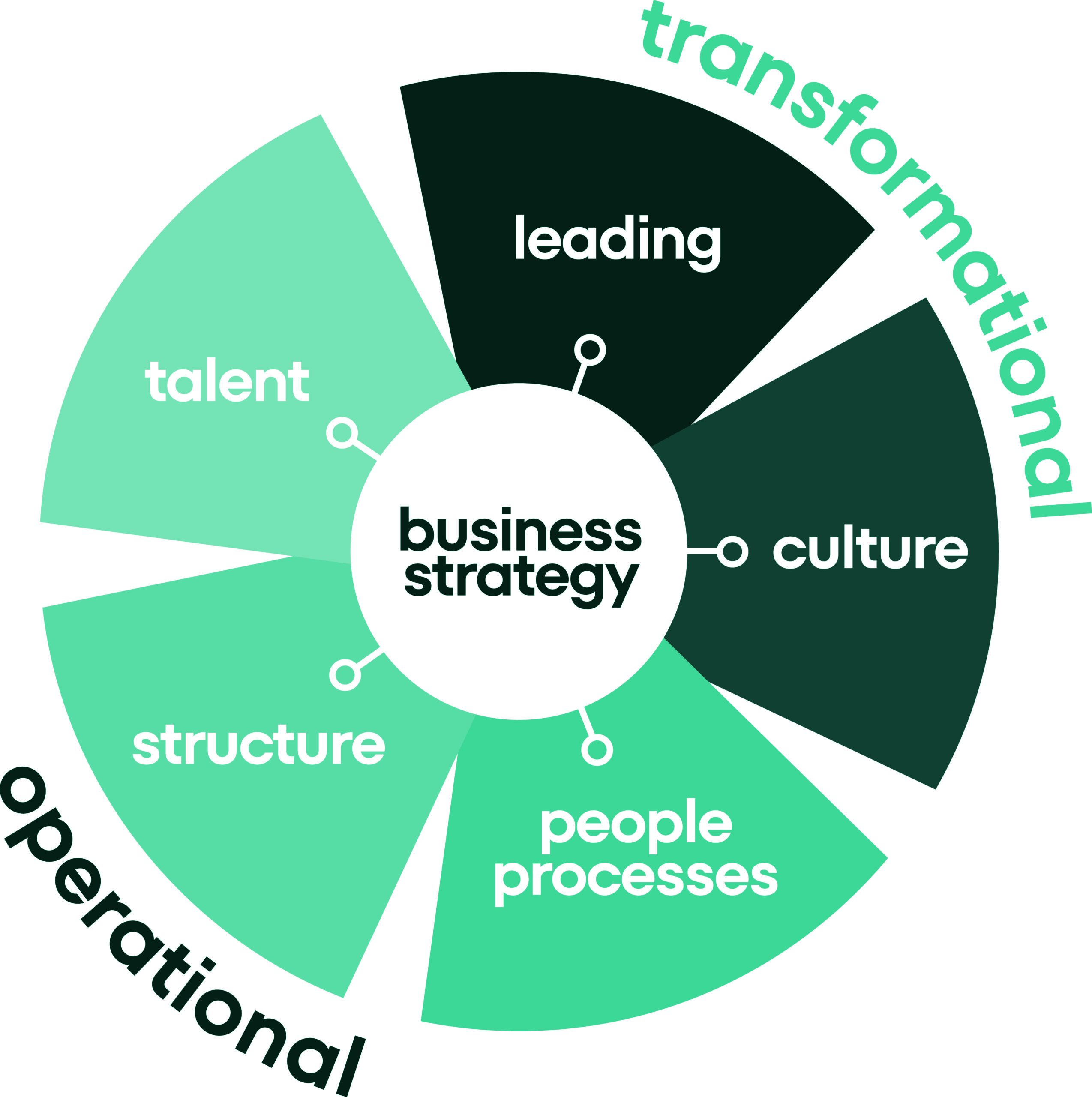 Strategic HR creates your roadmap for the future, and is the competitive advantage – the thinking and planning that aligns your people with your business goals and drives growth. This covers:
- Organisational design and structure
- Succession planning and talent development
- Culture development and employee engagement
- Clarifying and cultivating purpose, vision and values
- Change management and restructuring
- Leadership, management and talent development
- Reward, recognition and remuneration strategy
- Effective performance management
Most growing businesses start with operational HR needs but quickly discover that strategic HR is what actually drives performance and growth (some ambitious start-ups which aim to scale rapidly will often introduce it easier on in the process than usual, to ensure the foundations for growth are in place right from the start). The trick is getting the balance right for your stage of development and in a way that suits your goals and resources.
The growth trajectory: what you need when
While every business is different, there are some common patterns in how HR needs evolve. Below we have outlined some of the typical stages at which businesses start to require a different level of support for their people function – but there is a heavy caveat first.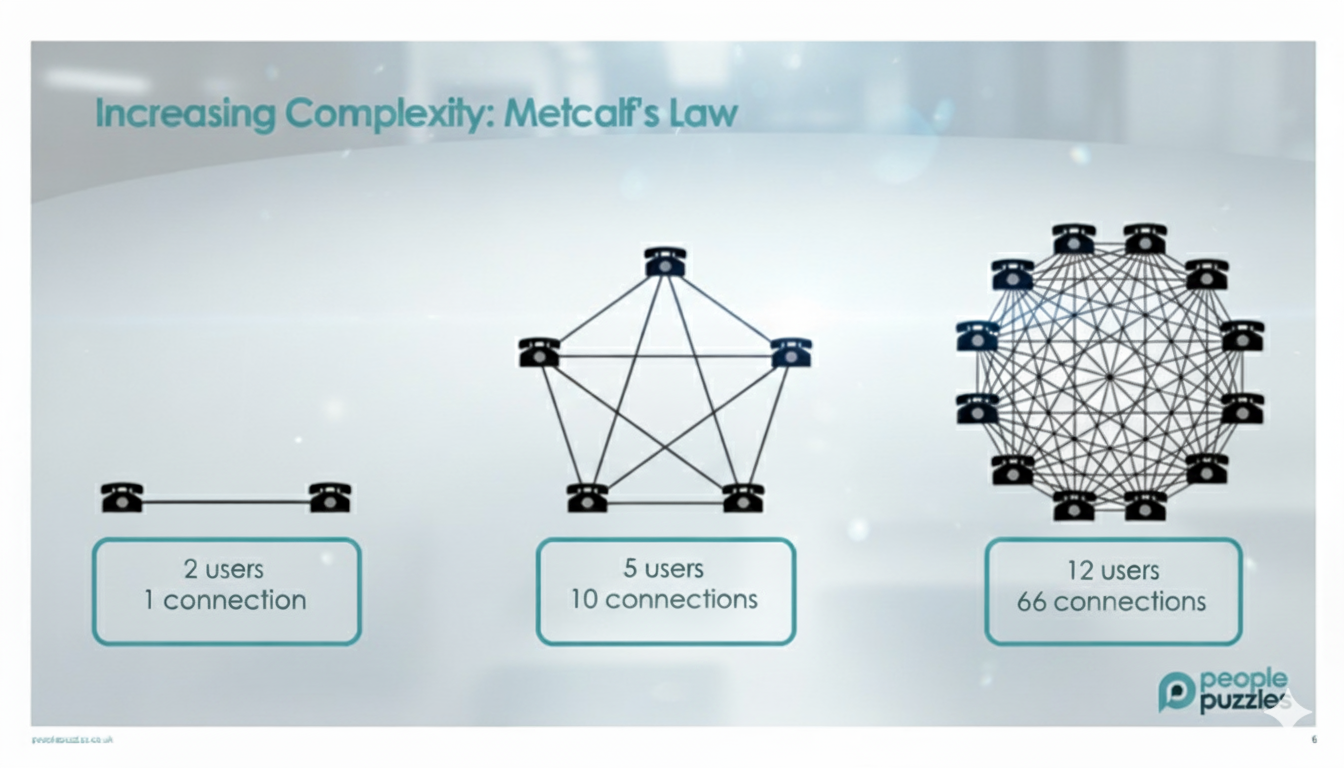
Every business is different. Some founders set out with a people expert at their side to make sure the people stuff is right from day one. Some wait far longer, and what is right for one business won’t necessarily suit all. But the fact remains that if you want your business to achieve its potential, then ultimately you need the right people, in the right roles, doing the right stuff.
And for that, you will at some point require specialist support.
10-25 employees: building the foundation
You may well have managed the people side of things yourself up to now, but at this stage, you’re moving from informal to formal people management. Your priority is creating consistent, fair processes that protect both your business and your employees. Even at this stage you may start to notice how complex communication can become, and that the culture you started with is getting less easy to maintain.
Some businesses manage way beyond this stage without structured HR but when it’s there, it does tend to make life a lot easier.
Operational priorities:
- Up-to-date employment contracts and employee handbook
- Clear holiday, sickness, and disciplinary procedures
- Basic performance review process and 1-1 check-ins
- Proper recruitment and onboarding procedures
- Employment law compliance review
Strategic priorities:
- Defining your company values and culture
- Creating clear role descriptions and reporting lines
- Establishing consistent management practices
- Planning for your next growth phase, which could include a strategic people plan
What you typically need: Periodic HR consultancy support to establish foundations, plus access to advice when issues arise. Many businesses work with an HR consultant 2-4 days per month at this stage, getting the benefit of experience and external perspective without the need or cost of a full time hire.
25-50 employees: scaling the structure
This is often where businesses hit their first major scaling challenge. You need more sophisticated processes and may need to introduce management layers. What worked to get you here is no longer fit for purpose and it can be uncomfortable introducing the necessary structures and processes to cope – but without them, things can unravel quickly and leaders will find themselves dealing with people problems 24/7.
Operational priorities:
- More robust performance management systems
- Structured learning and development programmes
- Employee engagement initiatives
- Enhanced recruitment processes for multiple roles
- Absence management and occupational health considerations
Strategic priorities:
- Organisational restructuring as you grow
- Leadership / management/talent development and training
- Workforce planning and skills analysis
- Culture preservation during rapid growth
- Succession planning for key roles
What you typically need: Regular strategic HR support, usually 4-6 days per month, focusing on structure, strategy and systems, plus some ongoing administrative or operational help on a more regular basis. You might also need project-based support for restructures or major process implementations. You may already have hired one or more full time operational HR people to manage the administration – but you will definitely benefit from a more strategic plan behind your people function at this stage.
50-100 employees: professionalising the function
At this size, people management becomes significantly more complex. You’re likely operating across multiple sites or departments, and inconsistency becomes a real risk. You will need more capacity for the operational side, but also a clear development plan for the future and a structured approach to succession, recruitment and performance management.
Operational priorities:
- Sophisticated HRIS and people analytics
- Comprehensive learning and development function
- Employee relations and engagement programmes
- Advanced recruitment and talent acquisition
- Detailed absence and wellbeing support
Strategic priorities:
- Leadership pipeline development
- Cultural integration across multiple teams
- Change management capabilities
- Talent retention and engagement strategies
- Preparing for potential acquisitions or major growth
What you typically need: Senior strategic HR support 4-10 days per month, usually with additional operational support, often full time. Most businesses would consider a full time HR person at this point, with additional strategic level mentoring to keep increasing capability and capacity as growth continues.
100+ employees: building for the future
Beyond 100 employees, you’re moving towards enterprise-level people management. Your HR function needs to be sophisticated enough to support continued growth and potential major changes.
Operational priorities:
- Full-service HR department capabilities
- Advanced analytics and people data
- Comprehensive employee lifecycle management
- Multi-site and potentially international considerations
- Risk management and governance
Strategic priorities:
- Organisational effectiveness and design
- Leadership development at scale
- Culture and engagement across diverse teams
- Preparing for M&A activity or international expansion
- Building internal HR capability
What you typically need: A combination of internal HR capability and external strategic support. Many businesses will have an in-house HR Manager, Business Partner or Director at this stage but will often benefit from additional strategic input from an external provider, mentoring/coaching, or ad hoc need for additional senior capacity to help with special projects, change management, strategic planning or mergers/acquisitions etc.
The build vs. buy decision
One of the biggest questions growing businesses face is when to hire their first internal HR person. There’s no magic number, but here are some indicators:
Consider hiring internally when:
- You consistently need 15+ hours of HR support per month
- You have complex, ongoing operational HR needs
- You need someone on-site regularly for employee relations
- You’re planning significant growth or change
- You can afford £35,000-£50,000+ for a good HR generalist
Stick with external support when:
- Your needs are primarily strategic rather than operational
- You value external perspective and best practice insight
- You want flexibility to scale support up and down
- You need senior-level expertise but can’t justify the full-time cost
- You’re still defining what you need from HR
- Your existing team is at capacity and you need to be able to flex up for particularly projects or for additional strategic perspective
Many successful businesses use a hybrid approach: internal HR support for day-to-day operations, with external strategic support for planning, projects, and complex issues. At this level you are likely to start building your HR function into a more comprehensive team, and some may start bringing back in-house what could have been outsourced before, like recruiting.
Special considerations for rapid growth
If you’re planning aggressive expansion, international growth, or considering mergers and acquisitions, your HR needs become even more critical. These scenarios require:
- Robust due diligence capabilities for potential acquisitions
- Cultural integration expertise for mergers
- International employment law knowledge for global expansion
- Change management capabilities for rapid scaling
- Advanced workforce planning for complex growth scenarios
In these situations, having access to senior-level HR expertise isn’t optional – it’s essential for successful execution.
Making the right choice for your business
The framework above provides a starting point, but your specific needs depend on several factors:
Your growth trajectory: Rapid growth requires more HR support sooner than steady, predictable growth.
Your industry: Highly regulated industries, complex operational environments, or people-intensive businesses typically need more HR support.
Your leadership team: If your senior team has limited people management experience, you’ll benefit from more strategic HR input.
Your risk tolerance: Some businesses are comfortable learning as they go; others prefer professional guidance to avoid costly mistakes.
Your available time: If people issues are consuming senior management time, it’s often more cost-effective to get professional support.
What success looks like
When you get your HR support right for your stage of growth, you’ll notice:
- Consistent people management across all teams and managers
- Faster recruitment with better quality hires
- Clearer career development pathways keeping good people engaged
- Smoother change management when you need to restructure or grow
- Better employee relations with fewer escalated issues
- Strategic alignment between your people plans and business goals
As one client told us: “The real benefit is that your business and industry sector needs are matched with someone who can quickly understand the people needs of the business.”
Getting started
If you’re unsure where you stand or what you need next, start with an honest assessment:
- How much senior management time goes on people issues each month?
- What people-related challenges are you avoiding because you’re unsure how to handle them?
- What changes are you planning in the next 12-18 months that will affect your team?
- Where do you see the biggest gaps between where you are and where you need to be?
Remember, the goal isn’t to have perfect HR systems from day one. It’s to have the right level of support for where you are now, with a clear path to where you need to be next.
Getting your people strategy right isn’t just about avoiding problems – it’s about creating the foundation for sustainable growth. When your people are aligned behind your vision and equipped to deliver it, your business can genuinely scale.
Whether that support comes from internal hires, external experts, or a combination of both matters less than ensuring you have access to the right expertise at the right time. The businesses that scale successfully are those that invest in their people capability before they desperately need it, not after.
Ready to assess where your business stands? Our HR Health Check helps you understand your current people capability and plan your next steps. It’s designed specifically for growing UK businesses and takes just a few minutes to complete.